

When Art Becomes Testimony: The Sacred Duty of Reclaiming What Was Stolen
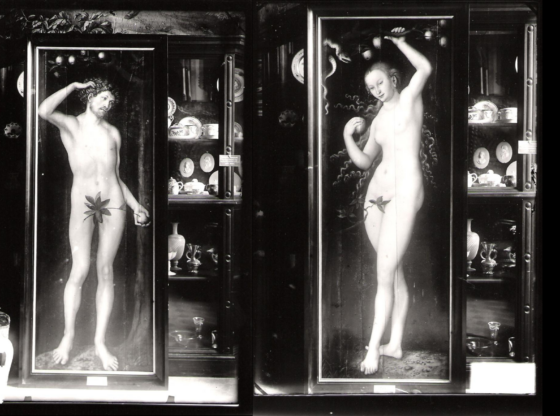
There is a teaching in the Jewish tradition that the preservation of memory is itself a form of worship. This week, that principle took legal form when the Jewish Federation of Los Angeles joined the heirs of a murdered art dealer to sue the Norton Simon Museum for two 16th-century Cranach paintings — a life-sized Adam and Eve diptych seized by the Nazis in 1940 from Jacques Goudstikker and later hoarded by Hermann Göring among some 800 looted works.
The federation has pledged that proceeds from the paintings’ sale will care for impoverished Holocaust survivors in Los Angeles. A 2018 study found that one-third of survivors in the United States live below the poverty line — a statistic that gives the lawsuit a moral weight beyond property law.
In a parallel filing, the daughters of Dina Gottliebova Babbitt are seeking watercolors their mother was forced to paint for Josef Mengele at Auschwitz. Both suits rely on a 2024 California law allowing refiling of claims dismissed on procedural grounds.
These are not merely claims of ownership. They are acts of remembrance — insisting that what was taken can still be returned, and that the living owe the dead more than silence.