

When a Shared Chapel Becomes a Test of Conscience
In Charleston, South Carolina, an ordinary school chapel dedication has become an unexpected examination of what Christian unity actually costs. Bishop Chip Edgar of the Anglican Church in North America stood alongside Episcopal Bishop Ruth Woodliff-Stanley at Porter-Gaud School on Aug. 18 — a school rooted in the Episcopal tradition that chose, after the 2012 diocesan split, to keep ties with both denominations.
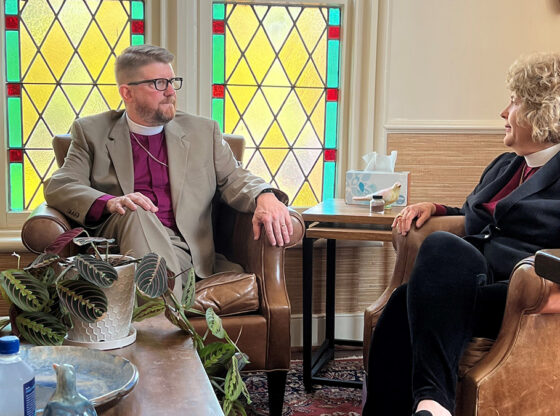
The gesture drew criticism from within Edgar’s own diocese. On Aug. 25 he issued an apology, acknowledging that “photographs of me and the Episcopal bishop have caused pain and confusion,” and submitted himself to potential disciplinary action.
Woodliff-Stanley framed the moment theologically rather than politically: “To me, this is really about working across lines of difference in spaces where we can,” she told Episcopal News Service. The two bishops are not naïve about their enduring disagreements — they worked together in 2022 to resolve a decade of property litigation. Yet even shared governance of a school can become a crucible. The question the chapel leaves behind is ancient: can we pray in the same room without pretending we agree?