

The Silence of the Unseen: A Spiritual Audit of Political Reconciliation
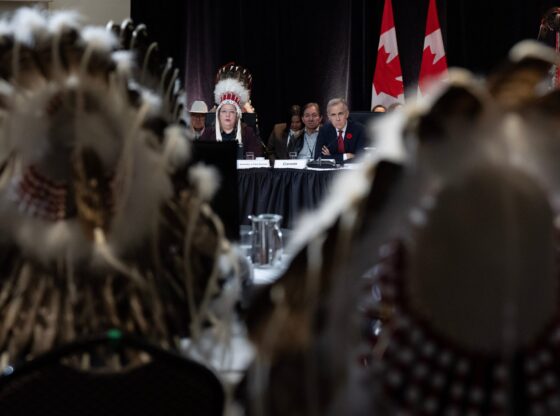
The recent gathering in Ottawa, marked by an opening prayer from Algonquin elder Claudette Commanda, revealed a profound spiritual fracture. While Prime Minister Mark Carney framed the event as a commitment to action and shared perspectives, the boycott by numerous First Nations leaders suggests a deeper crisis of trust. In Indigenous cosmology, presence is not merely political; it is relational. The absence of key voices indicates that the spirit of true reconciliation remains elusive when structural power dynamics are ignored.
Premier Wab Kinew’s sentiment that this is a “great day to be Anishinaabe” contrasts sharply with the reality of exclusion. National Chief Cindy Woodhouse Nepinak emphasized that solutions must be led by First Nations, prioritizing the well-being of the next seven generations over rapid industrial progress. This tension highlights a fundamental spiritual disconnect: the state views time as linear and resource-driven, while Indigenous wisdom views it as cyclical and reciprocal. Until governance honors the sacred weight of treaties rather than treating them as bureaucratic hurdles, these gatherings will remain hollow rituals. True healing requires listening not just to words, but to the silence of those who chose not to attend.