

The Sacred Geometry of Survival in the Frozen North
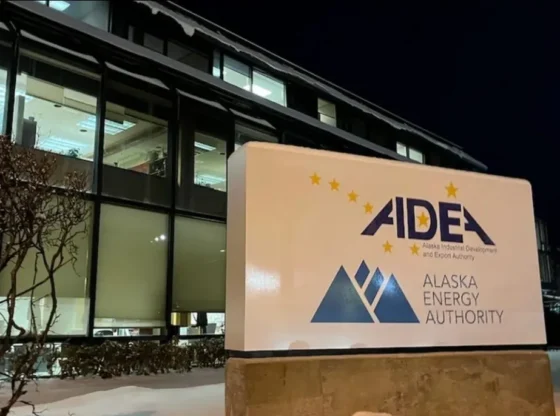
In the stark, frozen expanse of Northwest Alaska, where fuel costs once soared beyond $25 per gallon, a profound spiritual lesson emerged from economic desperation. The Alaska Industrial Development and Export Authority’s decision to issue $25,000 relief checks to Shungnak, Ambler, and Kobuk was not merely financial aid; it was an act of restoring sacred mobility. As Billy Lee of Shungnak noted, the prohibitive prices had left villagers “landlocked,” unable to hunt or fish, severing their ancient connection to the land that sustains their cultural identity.
This intervention allowed the community to reclaim their autonomy. With funds enabling each household to purchase 42 gallons of heating fuel, the barrier between survival and stagnation was removed. The return to hunting and fishing is more than recreation; it is a reintegration with the natural world, a core tenet of Indigenous spirituality. The sharp drop in prices following barge deliveries reminds us that resources are fluid, but isolation is a heavy burden. By alleviating this weight, the state agency facilitated a moment of grace, allowing these remote communities to breathe, move, and reconnect with the rhythms of the earth they call home.