

When Two Prayers Collide: Sovereignty, Ceremony, and the Wounds of Assimilation on Wind River
The standoff at Foundations for Nations Church on the Wind River Reservation is not merely a zoning dispute or a clash of personalities. It is a living test of how religious freedom is understood when one tradition’s practice is experienced by another as spiritual erasure.
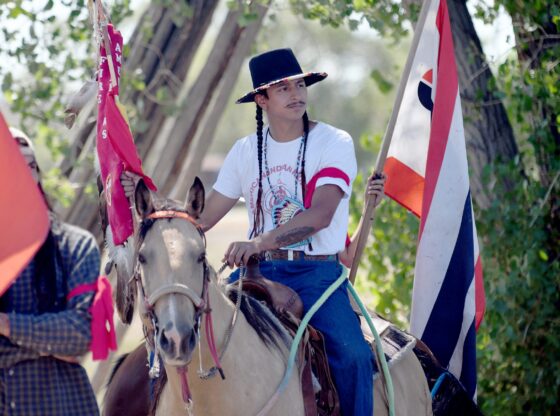
At its center is the Arapaho sundance, a weeklong ceremony of connection, offering, and collective renewal. Pastor Sarah Lucas, in a video that circulated as Arapaho people emerged from this year’s ceremony, called that cornerstone of spiritual life “idol worship,” adding: “Jesus is the chain breaker. He is the only God that we should be praying to.”
For many Arapaho, the words reopened wounds from an era of religious assimilation and abuse. Northern Arapaho and Eastern Shoshone leaders have said Lucas is no longer welcome; she owns the land beneath her church and says she will stay.
“We brought in our ceremonial elders. We heard them loud and clear,” said Arapaho Chairman Keenan Groesbeck. “They don’t want them here no more.”
The question the standoff leaves for people of faith is older than the reservation itself: can one tradition proclaim its truth without declaring another’s sacred path a falsehood to be dismantled?