
What the Shofar and the Mercator Map Have in Common
The earth is round; the map is flat. As the story of Gerardus Mercator — the 16th-century cartographer who spent seven months in a Rupelmonde dungeon on thin heresy charges before producing the projection that made him famous — reminds us, transferring a sphere onto a sheet of paper cannot be done without doing violence to something. You can preserve direction, or shape, or distance, or area, but never all at once. Every flat map is in some measure a lie; the only question is which lie you have decided you can live with.
The same is true of a year. Lived time curves; the calendar flattens it. Rosh Hashanah arrives each autumn asking us to render an honest account of a round, unwieldy stretch of days onto the flat page of a single reckoning — and the distortion near the edges, where our failures loom largest, can make the whole map look like despair.
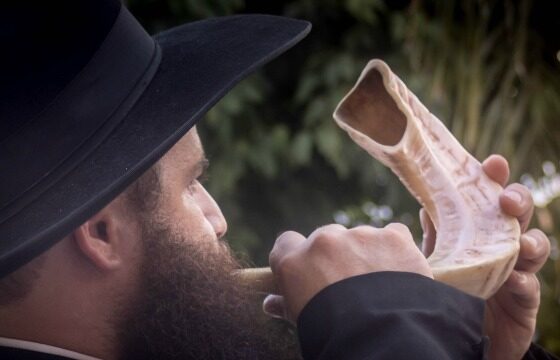
But Mercator’s map served the sailor precisely because it told the lie he needed told: a constant bearing could be plotted as a straight line. The shofar’s cry does something similar for the soul. It does not pretend the year was without error. It simply insists that the direction still holds — and that a map drawn for the voyage ahead is, by its nature, an instrument of hope.