
When Diplomacy Becomes Prophecy: The Perils of Invoking History’s Darkest Chapter
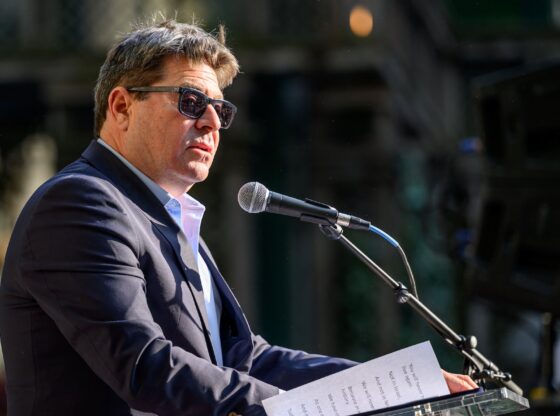
In the charged atmosphere before Rosh Hashanah — the Jewish New Year when tradition teaches that the fate of nations hangs in the balance — Israeli Consul General Ofir Akunis chose confrontation over conciliation. His comparison of New York Mayor Zohran Mamdani’s boycott support to Nazi tactics raises profound questions about how religious communities wield historical memory.
The Holocaust carries sacred weight in Jewish consciousness — not merely as tragedy but as covenant. When invoked in contemporary political disputes, does it illuminate or diminish? Margo Hughes-Robinson of New York Jewish Agenda offered a sobering assessment: “I think in a moment where people are already feeling anxiety about the rise of antisemitism, to compare the anxiety people are feeling and equate it with the historical reality of the Holocaust and its immediate aftermath, doesn’t help people right-size their fear.”
Akunis declared bluntly: “Who boycotted Jews? The Third Reich!” Yet the spiritual question lingers: Does weaponizing grief serve healing or deepen wounds? As Jews worldwide prepare for Rosh Hashanah’s call to teshuvah — repentance and return — perhaps the truest wake-up call is to speak truth without desecrating memory.