

When Liturgy Becomes a Mirror: Brazil’s Grassroots Creed and the Question of Who Speaks for the Church
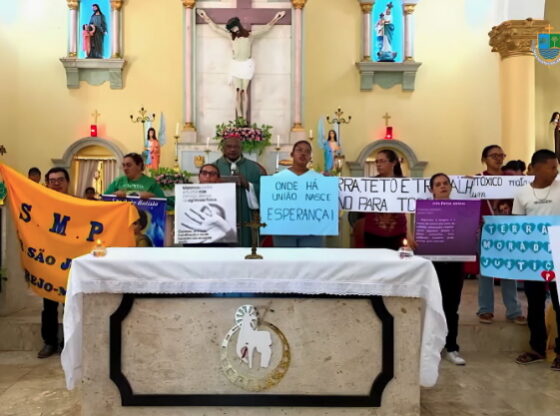
The Mass at the Cathedral of Our Lady of the Conception in Brejo, Maranhão, was not remarkable for its setting but for its words. On Sept. 7, Bishop José Valdeci Santos Mendes invited two young men to proclaim the “Creed of the Ecclesial Base Communities” — a 2016 text that has reignited a deeper question: whose voice belongs in the Church’s prayer?
The creed professes belief in “a God/Goddess present in the diverse experiences of the communities: a God who is close, a liberating and revolutionary God, a God who is a member of the CEBs, who works and struggles just as Jesus of Nazareth did.” It rejects “a static, patriarchal, clerical, and hierarchical Church” in favor of “an inclusive, intergenerational community with a voice of its own.”
Bishop Mendes, who chairs the Brazilian bishops’ Commission for Social-Transformative Action, framed the text as “a supplication from the youth of Latin America, who stand before God asking him to come to meet us.”
For observers of ecclesial life, the moment raises a perennial spiritual tension: tradition as anchor, or tradition as conversation? The answer may lie less in doctrine than in listening.