
What Reuniting a Family in Zion Teaches Us About Sacred Completion
The quiet drama unfolding beneath a Serbian cemetery reveals a profound spiritual truth: that our promises echo beyond our lifetimes. When World Zionist Organization officials opened the grave of Theodor Herzl’s grandfather in Zemun, Serbia, they discovered the remains were not where history had recorded them. The discovery — Shimon Leib Herzl buried beside his wife Rivka rather than beneath his own tombstone — speaks to the mysterious ways our final arrangements often carry deeper meaning than we comprehend.
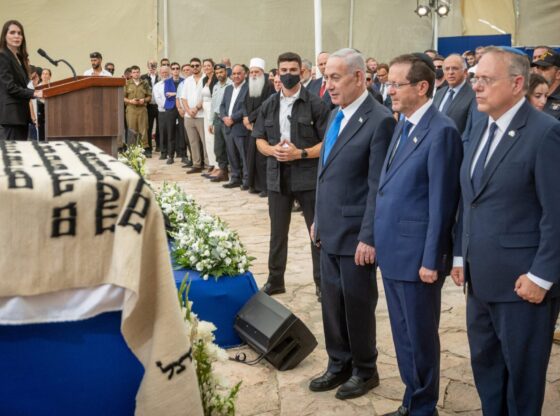
This week’s reinterment on Mount Herzl, attended by Israel’s leadership, completes a clause from Herzl’s 1903 will that had remained unfulfilled for over a century. Yizhar Hess, the WZO’s acting chairman, reflected on the timing: “We could have done it after two years, actually. But we could not bring them back, because the hostages were not home yet.” This decision — to postpone a sacred obligation until all living souls were returned — demonstrates that honoring the dead must never supersede our duty to the living.
The journey of these remains from foreign soil to Jerusalem’s hillside mirrors the Jewish people’s own wanderings. It reminds us that spiritual completion is rarely linear. We may dig where we expect to find answers, only to discover them beside another’s grave. The vision Herzl articulated found its fulfillment not merely in statehood, but in this final act of gathering — a testament that no promise, however old, loses its sacred urgency.