
When the Tide of History Meets the Wall of the Soul
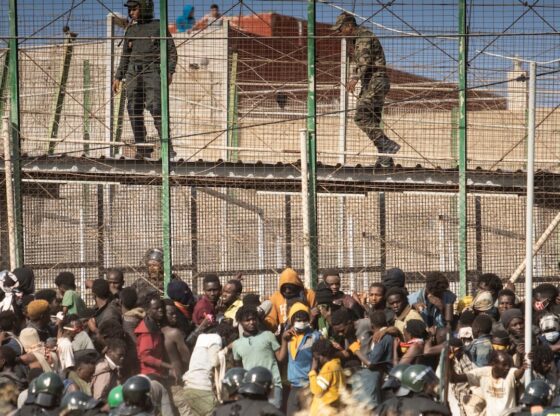
The recent surge of migrants into Ceuta is not merely a geopolitical event; it is a spiritual diagnostic of our age. For those who view history through a lens of providence and moral responsibility, the spectacle of 70,000 young men overwhelming a historic European outpost raises questions that transcend border policy. It forces us to confront the abdication of the West’s cultural and spiritual guardianship, a theme eerily prophesied in Jean Raspail’s dystopian vision.
Yet, the deeper tragedy lies not in the arrival of the migrants, but in the response of the hosts. When Spain’s interior minister declares that “there doesn’t necessarily have to be anyone to blame,” we witness a profound failure of moral discernment. This is not merely political evasion; it is a spiritual paralysis that refuses to acknowledge the reality of human agency and the necessity of ordered charity. True compassion requires wisdom and the courage to maintain the boundaries that preserve the common good, not a naive surrender that treats the city as a mere abstraction.
The ancient Iberian soil of Ceuta has become a mirror. It reflects a civilization that has lost faith in its own inheritance, preferring the comfort of a guilt-ridden passivity over the difficult work of cultural and spiritual renewal. The call to solidarity must be rooted in a shared vision of the human person, not in a vague globalism that erases the very communities capable of offering genuine welcome.