

The Unseen Guest: Reclaiming the Wounded Self Through Compassion
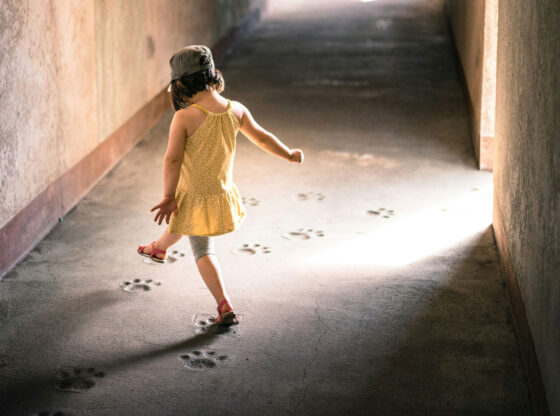
Thich Nhat Hanh offers a profound lens for understanding the architecture of human suffering. He posits that within every individual resides a “young, suffering child,” a manifestation of past trauma and difficulty. To shield ourselves from future pain, we often resort to repression, stuffing these memories deep into the unconscious mind. We believe we cannot bear the weight of this experience, leading us to run away rather than confront it. However, as Thich Nhat Hanh notes, “The wounded child is always there, trying to get our attention.” Ignoring this inner presence does not eliminate suffering; it merely prolongs it.
This avoidance stems from fear and what Thich Nhat Hanh describes as ignorance—a state where “ignorance is in each cell of our body and our consciousness.” It acts like “a drop of ink diffused in a glass of water,” obscuring reality and prompting foolish actions that further wound the self. True healing begins when we cease our distractions and return home to ourselves. By acknowledging this forgotten part of our psyche with compassion, we transform the block of sorrow into a source of wisdom, allowing the wounded child to finally be seen and cared for.