
The Mythic Weight of Divine Sovereignty in Modern Fantasy
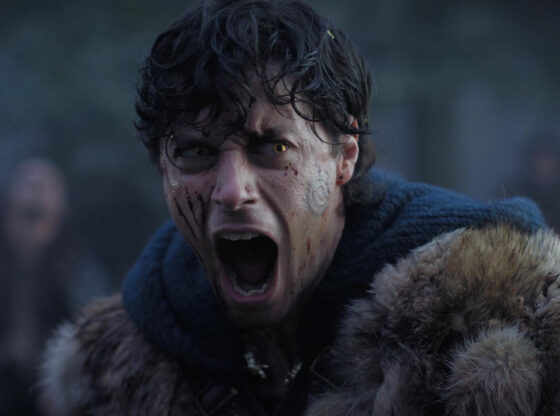
In an era where spiritual narratives are often reduced to political polemics, “The Pendragon Cycle” offers a rare glimpse into the enduring allure of mythic sovereignty. By reimagining the Arthurian legend through an explicitly Christian lens, the series transcends mere entertainment to explore the intersection of faith and historical identity. The narrative arc, following Taliesin, Charis, and Merlin as they navigate the messy realities of war and politics with divine alignment, suggests that true power is not merely martial but deeply rooted in spiritual truth.
Unlike contemporary conservative media that frequently leans on overt sermonizing, this production aspires to be more myth than message. As creator Jeremy Boreing noted, the work aims to transcend limiting definitions, echoing the timeless quality of J.R.R. Tolkien’s legendarium. This approach allows viewers to engage with profound questions of masculine virtue and divine purpose without feeling preached at. It invites reflection on how ancient archetypes can still illuminate modern struggles for meaning, offering a sanctuary where the sacred and the heroic converge in rugged, authentic landscapes.