

The Pilgrim Church: Why Migration Is Woven Into Salvation Itself
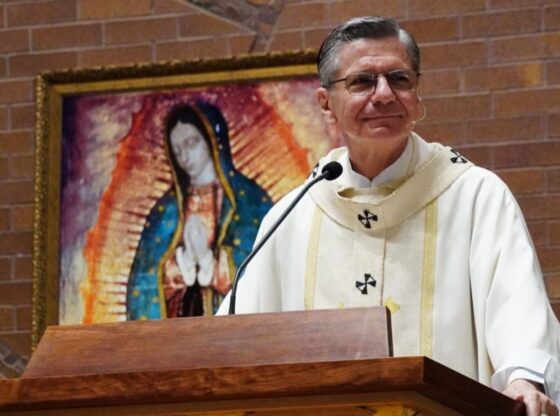
In a world where borders harden and fear takes root, a shepherd’s voice rises from San Antonio with a radical reframing: human movement is not a crisis to be managed but a sacred thread in the tapestry of redemption. Archbishop Gustavo García-Siller’s new pastoral letter, released on the centennial of his archdiocese, does more than offer comfort—it repositions the migrant as the very icon of the Christian journey.
The archbishop draws deeply from St. Augustine, his confirmation patron, who taught that all believers are “sojourners traveling toward our true homeland in heaven.” This ancient wisdom transforms contemporary politics: if every soul is a pilgrim, then no passport can confer or deny the dignity that flows from being made in God’s image. The letter insists that dignity “does not hinge on a passport, a visa, or a work permit.”
What makes this document spiritually significant is its insistence that the “movement of peoples” is “not an interruption of God’s plan but part of the very fabric of salvation.” From Abraham’s wandering to the Holy Family’s flight into Egypt, displacement has always been holy ground. In an era of detention facilities and rescinded protections, García-Siller calls for “moral discernment” that sees Christ in the stranger—and promises that the Church will not wait behind walls, but will go forth to meet the migrant where they stand.