

The Sacred Ground Beneath the Bargain: What Alaska’s Lease Dispute Reveals About Our Relationship With the Land
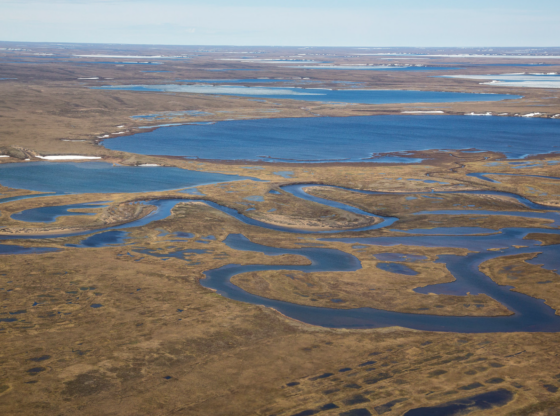
In the realm of commerce, the Alaska lease sale appeared a triumph—ExxonMobil’s return to the fold, a $163 million declaration of intent. But in the spiritual geography of the North, a deeper story unfolds. The land in question, the National Petroleum Reserve, is not merely a repository of fossil fuel; it is a living cathedral where the Western Arctic caribou herd migrates as it has since time immemorial, sustaining Indigenous communities who view the creature not as a resource but as a relative.
The legal limbo that now holds these leases in suspension may be read as more than bureaucratic delay. It is a moment of reckoning—a pause in which the material ambitions of industry meet the enduring wisdom of those who understand that land cannot be owned, only stewarded. The lawsuit filed by Indigenous residents is not simply a legal objection; it is a spiritual injunction, a reminder that the earth’s gifts are not commodities to be extracted but sacred obligations to be honored.
As the courts deliberate, we are invited to consider: What does it profit a corporation to gain the world’s oil if it severs the ancient covenant between a people and their homeland?