
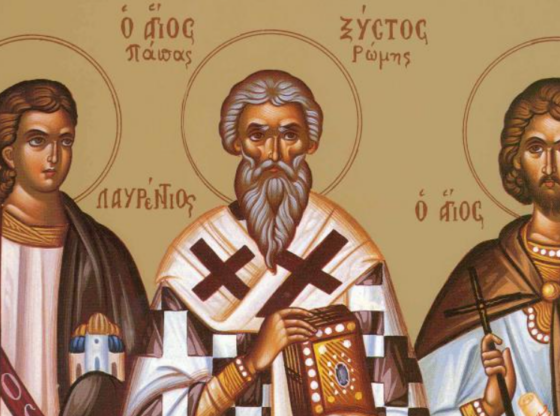

The Sacred Economics of Martyrdom: What Saint Laurence Teaches About True Treasure
In an age obsessed with accumulation, the story of Archdeacon Laurence of Rome offers a startling inversion of value. Executed in 258 AD under Emperor Valerian’s persecution, Laurence’s final act was not one of defiance but of radical redistribution. When Pope Sixtus entrusted him with the Church’s treasures, Laurence did not hoard them—he dispersed them among the poor and hidden faithful, walking the city on foot to ensure every coin reached those in need.
This was not merely charity; it was a theological statement. The “treasures of the Church” were never meant to be stored in vaults but to flow through human hands as conduits of divine grace. When Roman authorities demanded Laurence surrender these riches, he famously presented the poor, the sick, and the outcasts—declaring them the true wealth of the Church. His martyrdom, preceded by three days of suffering on a gridiron, became the culmination of a life that understood sacrifice as the highest form of worship.
For the spiritual seeker, Laurence’s witness asks a profound question: What do we consider sacred enough to die for, and what are we willing to give away while we live? His legacy reminds us that the greatest treasure is not what we keep, but what we release into the hands of others.