

When the Sacred Pauses: Jerusalem’s Unseen Battle for the Soul of Rest
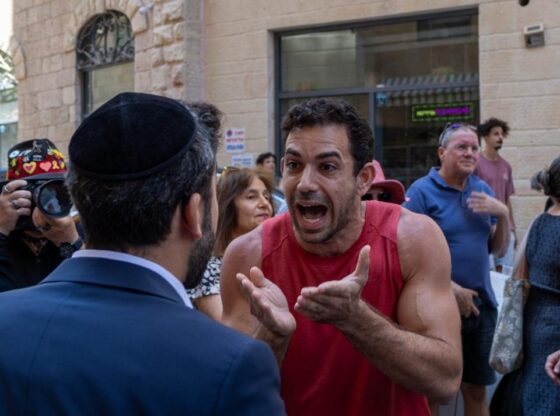
In the winding alleys near Agrippas Street, a quiet battle over the meaning of sacred time is unfolding. The protests outside Cafe Basimta are not merely a local dispute over business hours—they represent a profound theological collision between two visions of what it means to honor the Sabbath in a city that has been holy for millennia.
At the heart of this conflict lies a question that has haunted spiritual communities since antiquity: Is holiness something to be protected through separation, or something to be shared through accessibility? The haredi demonstrators, many of them teenagers from yeshivas on break, embody a tradition that views Shabbat as an inviolable boundary—a sanctuary in time that must be shielded from the encroachments of commerce and modernity.
Yet the cafe’s presence near the Mahane Yehuda market, where nearly all businesses close for the day, speaks to another ancient wisdom: that the divine presence dwells not only in what we refrain from, but in how we gather. As Jerusalem city council member Laura Wharton notes, the cafe has become a flashpoint precisely because it sits on the “undeclared border” between worlds—a liminal space where the sacred and the secular meet.
This summer’s unrest, from the light rail protests to conscription debates, reveals a deeper spiritual anxiety: how does a people honor its covenant while adapting to the demands of a changing world? The answer, perhaps, lies not in victory for either side, but in the recognition that the Sabbath itself calls us to pause—even in our disagreements—and remember what we share.