

The Sacred Ground Beneath the Bargain: What Alaska’s Lease Dispute Reveals About Our Relationship with the Land
In the realm of commerce, the March oil lease auction in Alaska’s National Petroleum Reserve appeared as a triumph of industry. ExxonMobil’s winning bids on two dozen plots signaled a resurgence of corporate interest in a region many had abandoned. Yet beneath this financial narrative lies a deeper, older story—one that speaks to the spiritual tension between extraction and reverence.
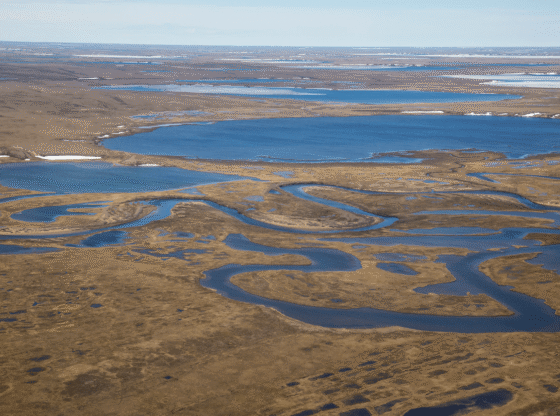
The federal lawsuit filed by Indigenous residents is not merely a legal objection; it is a modern expression of an ancient guardianship. For the Iñupiat, the caribou are not a resource but relatives, woven into the fabric of survival and ceremony. As one representative noted, the land holds “oil-bearing potential” for some, but for others, it holds the pulse of life itself. The courts have temporarily halted the leasing of 17 of ExxonMobil’s plots, a pause that invites reflection on whether human law can ever fully adjudicate our duties to creation.
This is a moment for spiritual inquiry: When we commodify the earth, do we sever a covenant that sustains us? The unresolved bids symbolize a broader limbo—humanity caught between the allure of material wealth and the quiet wisdom of the land that asks only to be left whole.