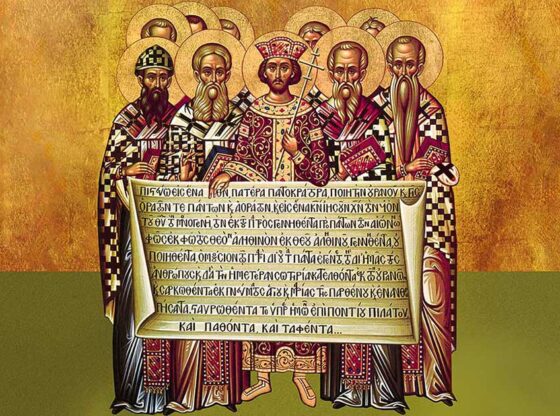

In an age obsessed with reinvention, the Nicene Creed stands as a stubborn monument to something the modern world has forgotten: the past is not a prison but a wellspring. The bishops who gathered at Nicaea in 325 AD did not gather to innovate. They gathered to preserve—to articulate what had always been believed about God, Christ, and the Spirit, lest the church lose its soul to fashionable error.
The creed’s power lies not in its antiquity but in its refusal to be reduced to slogans. “We believe in one God, the Father, the Almighty, maker of heaven and earth,” it begins, grounding all reality in a Creator who is personal, not abstract. Then it dares to name Jesus as “true God from true God, begotten, not made, of one Being with the Father.” This is not poetry; it is theology forged in the fire of controversy, a line drawn against those who would make Christ a lesser god.
What the creed offers today is not a relic to be recited but a lens through which to see the world. It insists that salvation is not self-improvement but a descent from heaven into human flesh. It declares that the Holy Spirit is not an impersonal force but “the Lord, the giver of life.” And it ends with a future that is not empty but full: “We look for the resurrection of the dead, and the life of the world to come.”
The creed does not change the past. It invites us to be changed by it—to discover that the faith of yesterday is the only foundation for a tomorrow worth having.