
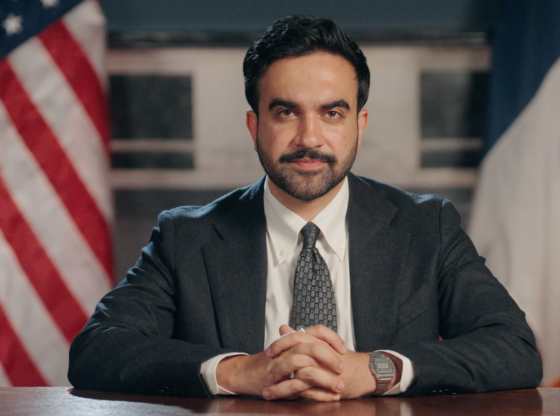

The Language of Accusation: When Political Speech Becomes a Spiritual Test
In the sacred space where politics meets prophecy, the ancient question of what constitutes harm to a people resurfaces. When New York mayoral candidate Zohran Mamdani called Benjamin Netanyahu “a war criminal” and “the architect of a horrific genocide” in a video seen over 200 million times, he ignited not merely a political debate but a spiritual crisis about the nature of words and their consequences.
Rabbi Joshua Davidson of Temple Emanu-El invoked a principle that echoes through Jewish ethical tradition: “Rhetoric that may not be antisemitic in intent can still be antisemitic in effect, as yours has been.” This framing, first articulated by former Harvard president Lawrence Summers in 2002, recognizes that the soul of a community can be wounded even when no malice was intended. The timing proved painful—just days after the video spread, a Jewish man was stabbed near a synagogue on the Upper West Side.
The incident forces us to ask: When does political speech cross into spiritual violence? Jewish wisdom teaches that words are vessels of power, capable of building or destroying worlds. Whether Mamdani’s words directly inspired the attack matters less than the broader truth that public language carries weight beyond its speaker’s intentions. For those seeking wisdom, the lesson is clear: in a time of deep division, we must measure our words not only by our own hearts but by the wounds they may leave on others.