

Summer’s Third Meal: The Spiritual Art of the Shabbat Picnic
In the rhythm of Shabbat, the third meal—Seuda Shilishi—often passes unnoticed, a quiet bridge between afternoon and evening prayers. But for those who observe it with intention, this meal holds a profound spiritual lesson: that holiness can be found in the simplest, most casual gatherings.
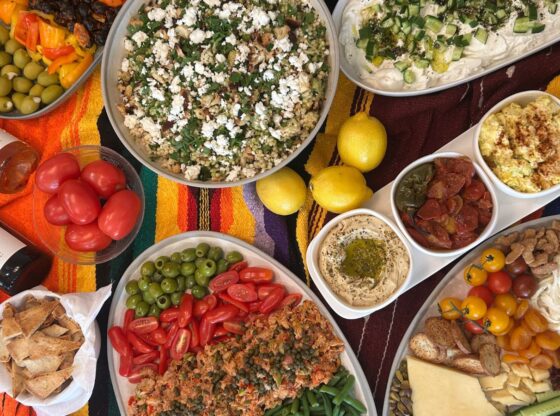
As one chef and history teacher reflects, summer transforms this meal into something luminous. “Beach days gently shift into prayers, followed by families and friends gathering for meals, which are often picnic style drop-in gatherings,” they note. Arranged on melamine platters or packed into Tupperware, these spreads become vessels for reflection and renewal.
The tradition teaches that the third meal is a time “to reflect and renew, to set an agenda for the week ahead.” In Jewish mysticism, Seuda Shilishi corresponds to the sefirah of Yesod—foundation—representing connection and integration. Just as the meal bridges afternoon and evening, it bridges the sacred rest of Shabbat into the workweek.
The culinary approach mirrors this spiritual truth: light, fresh salads and composed platters require no elaborate preparation. “Assembly is key here,” the teacher explains. “There’s no need to spend hours cooking.” A labne and cucumber platter, swooshed with store-bought yogurt and topped with zaatar, becomes an offering of simplicity. A charred summer pasta with pesto and burrata becomes grounding sustenance.
In this way, the summer Seuda Shilishi teaches that the Divine presence dwells not only in grand rituals but in the casual, vibrant sharing of food among loved ones—a picnic that becomes prayer.