
The Cottonwood’s Silent Prophecy: What Salmon Loss Reveals About Sacred Balance
For generations, the drifting cottonwood seeds along the Yukon River served as nature’s liturgical calendar—a sacred signal that salmon were coming, and with them, spiritual and physical sustenance. Today, that ancient prophecy falls on silent waters.
Tirzah Bryant, environmental coordinator for the Louden Tribe, describes watching the cotton fly during fishing closures as a spiritual disorientation. “I felt like I was drifting,” she told a tribal environmental conference. The loss extends beyond nutrition into the very fabric of communal identity. Extended family members who once gathered for the fishing season “don’t have a reason to come home now,” she observed.
Bryant’s training in One Health—the understanding that human, animal and environmental wellness are inseparable—echoes the Indigenous wisdom her people have always known. “Everything is related,” she says. “A healthy environment equals healthy animals, which equals healthy humans.”
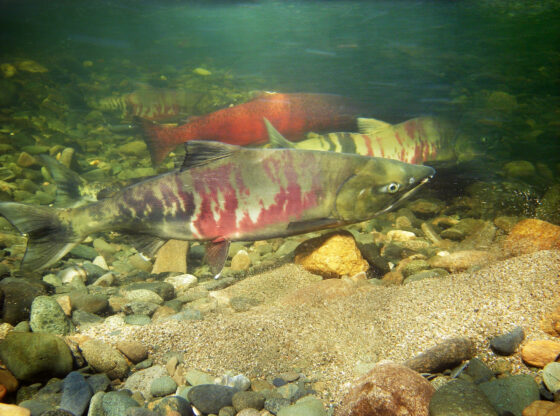
The collapse of Yukon Chinook salmon runs, down 81% from long-term averages, represents more than an ecological crisis. It severs the spiritual covenant between people and river, between generations who once read the cottonwood’s message and those who now watch it blow without meaning.