

The Hour of Mercy: How Divine Timing Dissolves the List of Grievances
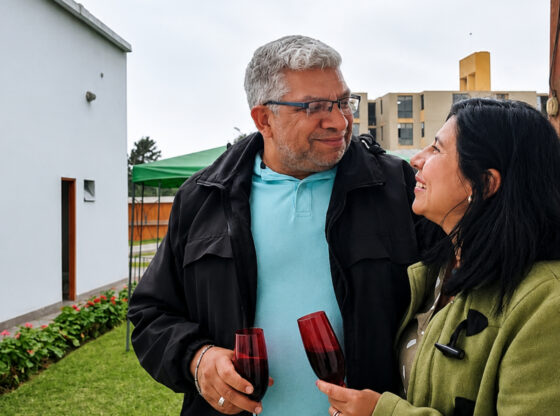
While often viewed merely as a personal redemption narrative, the reunion of Mariela Villanueva and Harold Figueras offers a profound theological insight into the nature of grace. Their meeting was not a random chance encounter, but a deliberate convergence at the “Hour of Mercy,” the specific time of day traditionally associated with the crucifixion and the outpouring of divine compassion. This temporal alignment suggests that spiritual restoration often requires a specific atmospheric condition—a moment where human resolve meets divine intervention.
The disappearance of Harold’s written list of grievances serves as a powerful symbol of the obsolescence of resentment in the face of unexpected grace. As Harold reflected, “I was expecting a war. She opened her arms to embrace me, and I realized that I was the only one who wanted to fight.” This moment illustrates a core spiritual truth: that forgiveness is not the erasure of history, but the suspension of the weapon against it. Mariela’s gesture was not passive acceptance, but an active act of “conversion,” holding onto hope as a spiritual discipline. Their story reminds us that brokenness is not the final word, but often the necessary precursor to a deeper, more resilient union rooted in mercy rather than mere social formality.