
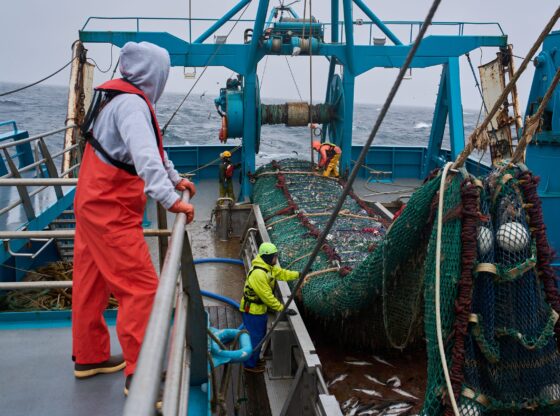

The Bering Sea’s Silent Sacrifice: Pollock, Salmon, and the Soul of the North
In the churning depths of the Bering Sea, a spiritual reckoning is underway. The industrial harvest of Alaska pollock, the backbone of global fast food, has become a crucible for indigenous wisdom and ecological ethics. As nets rise heavy with billions of pounds of fish, they also drag up the unintended victims of modern appetite: thousands of salmon annually.
Maverick Blake, captain of the F/V Progress, acknowledges the tension, stating, “This is what it takes to put seafood on the table.” Yet, this utilitarian view clashes with the sacred duty many Native communities hold toward salmon, species that have sustained their culture for generations. With bycatch averaging 288,000 non-Chinook salmon yearly, the line between sustenance and destruction blurs.
This conflict reveals a deeper fracture in our relationship with the natural world. When the ocean yields its bounty at such scale, we must ask if our consumption honors the web of life or merely exploits it. The collapse of western Alaska’s salmon runs is not just a political crisis; it is a spiritual warning. We are reminded that every meal carries the weight of the ecosystem from which it came, challenging us to seek balance rather than mere extraction.