
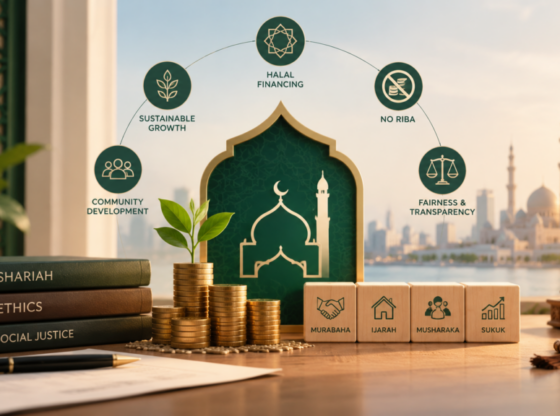

The Mirage of Ethical Finance: When Spirit Meets System
The promise of Islamic banking in the 1970s was not merely financial; it was a spiritual revolution. Visionaries saw an economic structure capable of reordering society, bridging the chasm between saving and investment through divine alignment rather than secular accumulation. Yet, as the movement matured, this idealistic framework collided with the unyielding gravity of conventional capitalism.
Today, many institutions have blended seamlessly into the status quo, adopting the very behaviors they were meant to transcend. Critics note that these banks often “give the umbrella when it is shining and take it back when it rains,” mirroring the inequities of interest-based systems. This gap between theory and practice raises a profound question for seekers: Can a system rooted in spiritual ethics truly survive within a materialist paradigm?
Some argue that the true spirit was lost, pointing to early experiments like Mit Ghamr as the authentic model of service to the poor, now silenced by political forces. The lesson remains clear: without structural integrity, even the most sacred intentions risk becoming hollow rituals of commerce.