
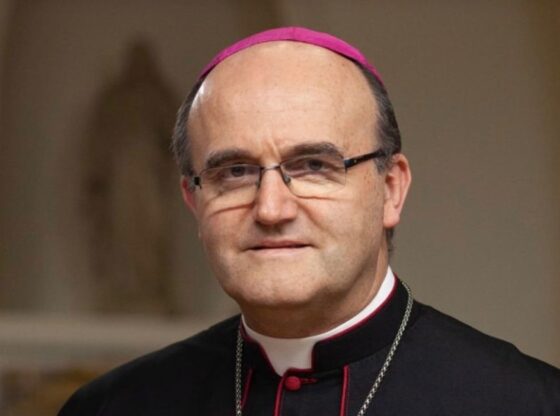

In a development that has sent shockwaves through Spain’s Catholic community, Bishop José Ignacio Munilla of Orihuela-Alicante has publicly denounced what he calls “religious persecution” following the lower house’s passage of a penal code reform banning so-called “conversion therapies.” The legislation, which now moves to the Senate, would criminalize pastoral accompaniment for same-sex-attracted Catholics who voluntarily seek help to live chastely in accordance with their faith. The bishop made his remarks on his program “Sexto Continente” on Radio María Spain, warning that the law targets not coercion, but conscience.
The spiritual stakes of this legislation extend far beyond Spanish borders. Bishop Munilla insisted that “so-called conversion therapy doesn’t exist,” calling it instead “an ideological construct of an anti-Christian lobby in an attempt to prevent pastoral accompaniment for individuals with homosexual inclinations who in conscience want to live chastely and are seeking help.” The proposed law would impose prison sentences of six months to two years, plus fines, for anyone who applies methods intended to “modify, suppress, eliminate, or deny” sexual orientation—even with the person’s consent. For the bishop, this represents a profound confusion between forced treatment and freely chosen spiritual discipline.
From the perspective of Catholic moral tradition, the distinction is everything. The Church has long taught that same-sex attraction itself is not sinful, but that sexual acts outside of sacramental marriage—whether heterosexual or homosexual—are. Chastity, in this framework, is not a denial of identity but a universal vocation: every Christian, regardless of orientation, is called to integrate their sexuality within the bounds of their state in life. Bishop Munilla’s concern is that the state is now stepping in to forbid spiritual directors from helping those who freely seek such guidance, effectively declaring that the desire to live chastely is itself a pathology requiring legal protection from—rather than respect for—personal conviction.
For the spiritual seeker, this moment invites a deeper reflection on the relationship between civil law and the interior life. Throughout history, from the Roman Empire’s persecution of Christians who refused to worship the emperor to modern restrictions on religious practice, the state has sometimes outlawed acts of conscience that posed no threat to public order. The takeaway for today’s reader is a call to discernment: when a society begins to criminalize voluntary spiritual commitments, it reveals its deepest assumptions about human freedom. True accompaniment, whether for chastity or any other discipline, can never be forced—but neither should it be forbidden when freely chosen. The soul’s journey toward integration, whatever its path, remains a sanctuary that no legislature can enter.