
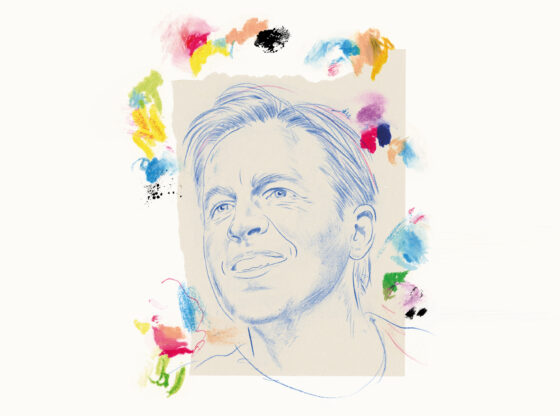

When former U.S. Senator and university president Ben Sasse received a diagnosis of pancreatic cancer last December, the world expected a political narrative. Instead, Sasse has offered a theological one. In recent interviews with The New York Times, 60 Minutes, and now Christianity Today, Sasse has refused the script of doubt, insisting instead on the unbroken goodness of God. This is not the story of a man wrestling with his faith—it is the story of a man who has already settled the contest before the trial began.
Sasse’s public witness raises a question that cuts to the heart of spiritual maturity: What does it mean to affirm God’s goodness when your own body is failing? In the ancient wisdom of the Book of Job, the patriarch declares, “Though he slay me, yet will I trust in him” (Job 13:15). Sasse’s stance echoes this pre-modern posture, one that refuses to make divine favor contingent on personal comfort. His testimony suggests that faith is not a feeling to be consulted but a foundation to be stood upon, regardless of the earthquake.
Across the world’s wisdom traditions, the idea of praising God in the midst of suffering is not a denial of pain but a reordering of priorities. In the Christian contemplative tradition, St. John of the Cross called this the “dark night of the soul”—a purification that strips away spiritual consolations so that the soul clings to God alone. Sasse’s public proclamations, free of lament or bargaining, align more with the Desert Fathers than with modern therapeutic religion. He is not pretending the cancer is not real; he is insisting that it is not ultimate. The distinction is everything for those seeking a faith that can survive the emergency room.
The deeper spiritual context here is the ancient practice of *hesed*, the Hebrew word for covenantal lovingkindness. Sasse’s refusal to doubt God’s goodness is not naivete; it is a declaration that God’s character is not subject to revision based on human circumstances. In the Buddhist tradition, this would be akin to the equanimity of the *bodhisattva*, who remains compassionate even when faced with personal annihilation. The takeaway for the spiritual seeker is clear: the measure of your faith is not how loudly you praise when life is easy, but how steadily you trust when life is hard. Sasse’s cancer cannot touch the part of him that has already died to self—and that, perhaps, is the only part that truly lives.