

Beyond the Podium: The Sacred Duty of Institutional Protection
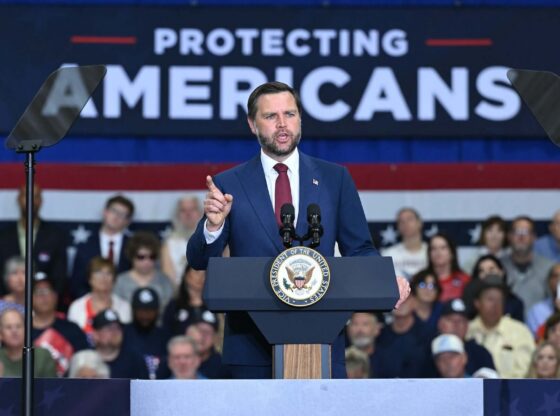
The recent meeting between Vice President JD Vance and Rabbi Jen Lader of Temple Israel in Michigan offers a profound lesson in the intersection of civic duty and spiritual resilience. While the political context is clear, the spiritual significance lies in the community’s unwavering stance: security is not merely a logistical concern, but a prerequisite for the continuity of sacred life. As Lader articulated, the request for support under the Jewish American Security Act is a plea to safeguard the space where faith is nurtured and transmitted to the next generation.
This encounter underscores a vital principle in interfaith and communal ethics: the protection of the vulnerable is a shared moral imperative that transcends partisan divides. By engaging directly with clergy and security personnel who have faced trauma, the administration acknowledges that spiritual institutions are the bedrock of societal stability. The focus shifts from political strategy to a deeper recognition that when a community is threatened, its capacity to offer wisdom, comfort, and connection is endangered. True leadership, therefore, is measured by its commitment to ensuring that sanctuaries remain safe havens for the soul, free from the shadow of violence.