
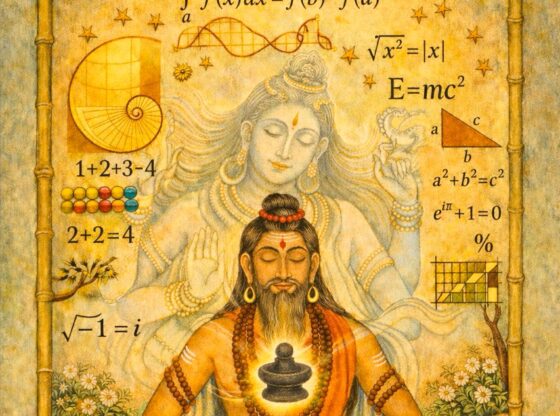

In an age where self-help gurus peddle quick fixes and psychological frameworks promise inner peace, a profound question has emerged from the digital halls of a Zoom satsang: What is the true meaning of self-realization? Satguru Bodhinatha Veylanswami recently addressed this very inquiry, drawing a sharp distinction between modern secular interpretations and the ancient wisdom of Hindu spirituality. The guru’s response cuts through the noise of contemporary self-improvement culture, reminding seekers that spiritual knowledge cannot be approached the same way one might study calculus—it demands direct, personal experience known as anubhuti.
The modern world has co-opted the term “self-realization” and stripped it of its sacred essence. As Satguru Bodhinatha explains, contemporary usage often reduces this profound concept to mere psychological self-actualization, heavily influenced by thinkers like Abraham Maslow who defined it as the fulfillment of one’s potential. In this framework, self-realization becomes a tool for achieving worldly ambitions—a life coach helping clients “manifest their desires” through structured exercises. But this is a far cry from the transformative experience described in the Yoga traditions, where self-realization points to something far deeper: the direct, intuitive knowing of one’s own divine nature.
The distinction between intellectual understanding and spiritual realization is crucial. One may read scripture, study philosophy, and comprehend the concept of the Atman as an inner light, but this remains mere intellectual knowledge. True anubhuti, as the guru emphasizes, requires personal experience—the direct perception of the Atma Jyoti, the inner light of the soul. This is not something that can be taught through books or achieved through goal-setting workshops. The Hindu tradition teaches that while the mind can point toward truth, only through sustained spiritual practice, devotion, and grace can one actually realize that truth within themselves. This is why the path begins not with grand experiences but with humble discipline, just as one cannot begin calculus without first mastering basic arithmetic.
For the modern seeker, this teaching offers both a caution and a call to authenticity. The temptation to seek shortcuts or to mistake intellectual understanding for genuine realization is ever-present. Yet the wisdom of the sages reminds us that spiritual growth is not about achieving external goals or fulfilling personal ambitions. It is about stripping away the layers of illusion that obscure our true nature. The takeaway is clear: true self-realization is not a destination to be reached through self-improvement techniques, but a recognition of what has always been present. It requires patience, sincere practice, and the willingness to move beyond the mind’s clever constructions into the direct experience of the divine within.