
Why Odysseus and Abraham Speak the Same Language of Faith
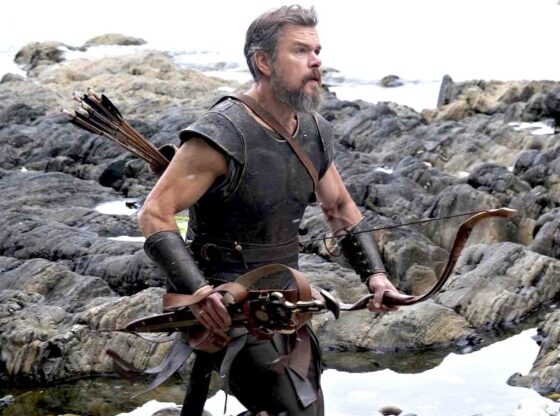
As Christopher Nolan’s cinematic retelling of “The Odyssey” draws global audiences into the storm-tossed world of ancient Greek heroism, a deeper question emerges for spiritual seekers: What does a pagan epic have to teach the children of the covenant? Quite a lot, according to philosopher and classicist Jacob Howland, who has spent decades exploring the dialogue between Athens and Jerusalem.
In a recent essay series for Mosaic, Howland argues that the “Odyssey” and the Hebrew Bible “illuminate the enduring questions of human life, including how to bring order and common purpose to the otherwise chaotic relationships between men and women, fathers and sons, familiars and strangers, clans and nations.” This is not mere literary comparison, but a recognition that both traditions wrestle with the same divine mysteries: temptation, fidelity, exile and the long road home.
Howland, author of “Plato and the Talmud,” observes that Odysseus’s trials mirror the spiritual tests faced by Abraham and Moses. Where the Greek hero relies on cunning and the favor of capricious gods, the patriarchs learn to trust a single, unseen Creator. Yet both journeys reveal that the soul’s navigation through chaos requires humility, patience and a compass pointing beyond the self.