
The Invisible Sacred: What Seattle’s Undercount of Native Homelessness Reveals About Data as a Spiritual Act
The recent King County Point-In-Time Count reported that only 4.2 percent of unsheltered individuals identified as American Indian, Alaska Native, or Indigenous—a figure that leaders at the Chief Seattle Club and the Seattle Indian Health Board believe is closer to 15 percent, mirroring the 2020 count. For the spiritual seeker, this is not merely a statistical error; it is a profound lesson in how we see—or fail to see—the sacred in one another.
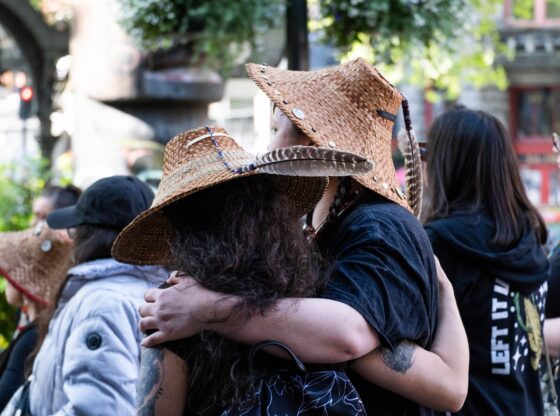
Abigail Echo-Hawk, a citizen of the Pawnee Nation of Oklahoma and vice president of the Seattle Indian Health Board, speaks with the weight of prophecy when she states, “The relatives that I serve are going to suffer as a direct result, as funds will be misallocated based on bad data because of the lack of representation of American Indians, Alaska Natives in this report, and Native people will suffer, and Native people will die.” Her words remind us that how we count reflects how we honor. In many Indigenous traditions, every person is a relative, a thread in the web of creation. To miscount is to misremember—a spiritual failing as much as a bureaucratic one.
The flawed respondent-driven sampling method used since 2022, mandated by HUD, mirrors a deeper cultural blindness. True wisdom asks not only for accurate numbers but for a way of seeing that recognizes the divine image in every unsheltered soul. The undercount is a call to look again, to see the invisible, and to count with the heart.