
When Words Weave Worlds: The Spiritual Weight of Political Speech in Fractured Times
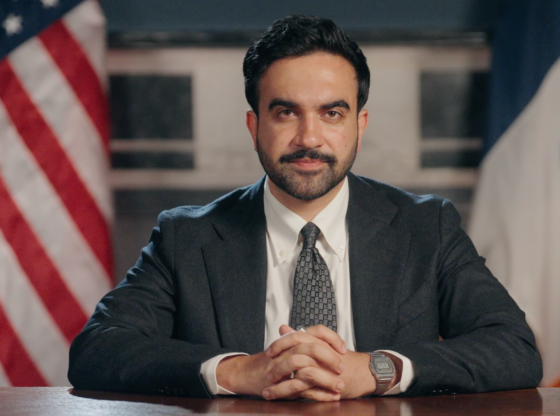
In the realm of spiritual discernment, few questions cut as deeply as this: When does a word cease to be mere opinion and become a weapon that shapes reality? The recent controversy surrounding New York Mayor Zohran Mamdani’s characterization of Israeli Prime Minister Benjamin Netanyahu as a “war criminal” and “architect of a horrific genocide” has reopened an ancient wound in Jewish spiritual consciousness — the question of how speech itself participates in creation or destruction.
The Jewish tradition teaches that words are vessels of divine energy. The very universe was spoken into being. When Rabbi Joshua Davidson of Temple Emanu-El wrote to Mamdani that “rhetoric that may not be antisemitic in intent can still be antisemitic in effect,” he invoked a spiritual principle as old as the prophets: intention does not absolve impact. The timing of this latest eruption — just days after a Jewish man was stabbed near an Upper West Side synagogue — reminds us that in a world where 200 million views can amplify a single video before any counter-statement emerges, the spiritual responsibility of public speech has never been heavier.
This is not merely a political debate. It is a meditation on the nature of consequence, on the mystical truth that every word we release into the world carries a life of its own — and that in times of collective trauma, the line between critique and curse becomes perilously thin.