
When Words Weave a Web: The Spiritual Cost of Political Speech in an Age of Rising Hate
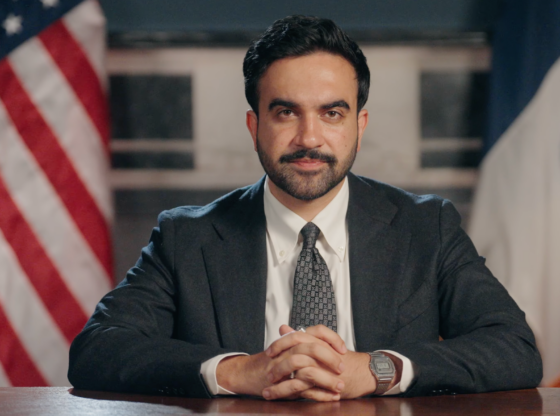
In the sacred work of building a just world, the boundary between righteous critique and harmful rhetoric has never been more fragile. The recent controversy surrounding New York Mayor Zohran Mamdani’s video labeling Prime Minister Benjamin Netanyahu “a war criminal” and “the architect of a horrific genocide” has reopened an ancient question for spiritual seekers: How does our speech shape the moral atmosphere we breathe?
The Jewish tradition teaches that words are vessels of creation, carrying the power to heal or wound across generations. When Rabbi Joshua Davidson of Temple Emanu-El wrote to Mamdani that “rhetoric that may not be antisemitic in intent can still be antisemitic in effect,” he invoked a principle that transcends politics: the recognition that our intentions matter less than our impact on the vulnerable. This is not a legal argument but a spiritual one—a call to examine how our public witness affects real human beings.
The timing of this eruption carries its own lesson. Days after the video garnered over 200 million views, a Jewish man was stabbed near an Upper West Side synagogue. While no direct link exists, the proximity reminds us that in a fragmented world, every word enters an ecosystem of meaning we cannot fully control. For those seeking wisdom, the deeper question is not about political alignment but about the soul’s responsibility: How do we speak truth without feeding the fires of hatred?