

When the State Labels a Faith: The Deeper Test of Muslim Solidarity in Texas
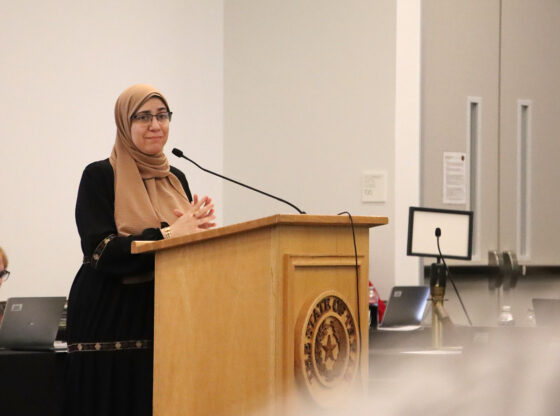
In the hushed chambers of the Texas State Board of Education, a ritual of exclusion unfolded. As Shaimaa Zayan rose to speak, a board member asked, “Can we have a leader of a foreign terrorist organization testify?” Then he walked out. The target was not a militant, but the operations manager of a local chapter of the Council on American-Islamic Relations (CAIR)—a group the U.S. State Department does not list as a terrorist organization. Yet Governor Greg Abbott’s November designation has already achieved something more insidious than legal sanction: it has sown division within the very community CAIR exists to serve.
Imran Ghani, operations manager for CAIR’s Houston chapter, reports that at least a dozen Muslim groups in Houston have privately withdrawn from collaboration. “That’s exactly what the governor is intending to do: separate CAIR from the Muslim community,” Ghani said. This is not merely a political battle; it is a spiritual test of trust and courage. For centuries, faith communities have faced the choice between public association and private safety. The question now facing Texas Muslims is whether solidarity can survive when the state brands a fellow believer as an enemy. The answer will reveal not only the strength of an organization, but the resilience of a faith under pressure.