
The Unbroken Circle: How California’s Indigenous Histories Reveal the Soul of Survival
In the realm of spirit, there is no forgetting—only the slow turning of truth toward the light. A new series, “People of the West,” does not merely recount California’s past; it invites viewers into a ceremony of remembrance. Across ten episodes, creator Brad Munoa, Payómkawichum, weaves oral traditions with cinematic vision to trace five centuries of what the land has witnessed: first contact, the mission system’s spiritual violence, broken treaties, and the quiet fire of cultural rebirth.
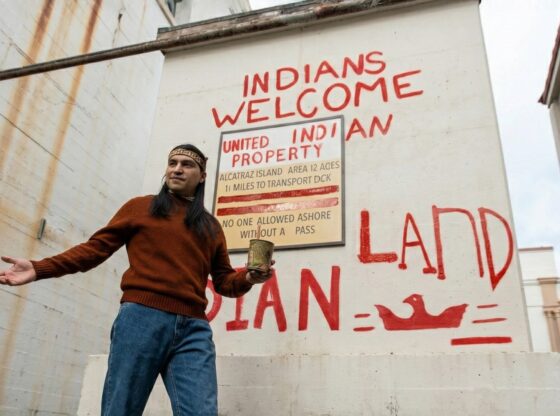
This is not history as distant fact. It is history as living testimony. Actor Montana Cypress, Miccosukee, who appears in the episode “First Contact,” described filming on Malibu’s shore last November. “It’s a brutal story,” he said, “but I think that’s important to know, not to hold back.” The fighting depicted between the Spanish and the People was intense—a collision not merely of armies but of worldviews.
As the United States approaches its 250th year, “People of the West” asks a question that resonates far beyond California: What does it mean to see a land through the eyes of those who never left? The series offers no easy answers, only the uncomfortable grace of a story finally told whole. For those seeking spiritual wisdom, it reminds us that survival itself is a sacred act—and that the truth, however painful, is the only foundation for healing.