
When Sacred Processions Meet Street Carts: The Enduring Soul of San Gennaro
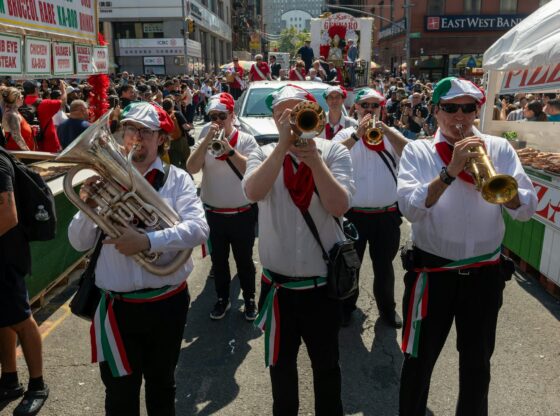
For a century now, Mulberry Street has transformed each September into something between a pilgrimage and a block party — and the tension between those two impulses is precisely what makes the Feast of San Gennaro spiritually instructive.
Founded in 1926, the festival honors the third-century bishop and martyr whose blood, tradition holds, liquefies annually in Naples. But as a medievalist writing for Religion News Service observes, the feast’s deeper significance lies in what it reveals about assimilation: southern Italian immigrants brought devotional practices that Irish Catholics condemned as “far too pagan and idolatrous to be considered ‘real’ Catholicism.”
Between 1881 and 1920, over 4.5 million Italians arrived in America, many settling on Manhattan’s Lower East Side. Their processions of statues drew suspicion from both Irish Catholics and local Protestants — yet by the early 20th century, these communities had grown large enough to fund their own Italian-speaking parishes, including the Church of the Most Precious Blood.
The sausage carts and Sinatra impersonators aren’t a corruption of the sacred. They’re its latest incarnation.