
When Healing Traditions Meet Federal Rules: The Spiritual Cost of Excluding Native Hawaiians
The kanaka maoli — the Native Hawaiian people — have cared for their islands and each other for centuries through systems of reciprocity rooted in aloha ʻāina, love of the land. Yet as new Medicaid work requirements take effect in January, Native Hawaiians will be excluded from the exemptions granted to Native Americans and Alaska Natives, an omission tied to their lack of federal tribal recognition.
“We know that when we’ve asked similar questions in the past, it all comes down to federal recognition,” said Meredith Nichols, Hawaiʻi’s Medicaid administrator. Of the roughly 390,000 Medicaid enrollees in the state, about 15 percent identify as Native Hawaiian.
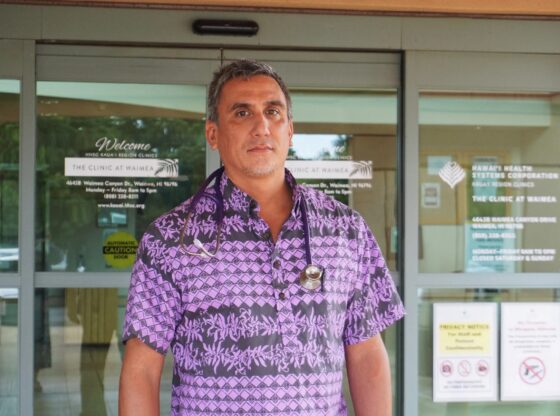
For many kanaka maoli, health is not an individual transaction but a web of kinship — with ancestors, community, and ʻāina. Clinicians warn the mandate will deepen barriers for a population already facing higher risks during pregnancy and higher infant mortality, mirroring disparities borne by other Indigenous peoples.
The question the policy raises is spiritual as much as political: can a nation honor healing traditions it refuses to recognize?