

When Exile Composed a Nation: The Hidden Spiritual Legacy of Iceland’s Refugee Musicians
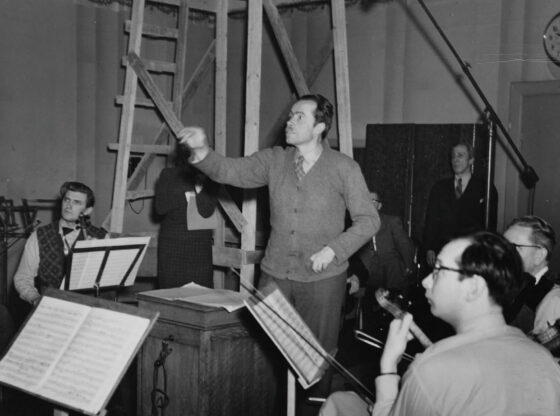
In the stark, wind-scoured landscape of 1930s Reykjavik—a place of corrugated iron and geothermal steam—three displaced souls carried more than their instruments. Robert Abraham, Victor Urbancic, and Heinz Edelstein arrived as refugees from Nazi persecution, bearing a sacred tradition that would transform an isolated fishing port into a cradle of classical music.
Their story, now told in “Music at World’s End,” reveals a profound truth about the spiritual nature of exile: what the world intended as destruction became, through these musicians, an act of creation. They did not choose Iceland, yet something greater chose through them. As the medieval sagas kept Iceland’s soul alive through oral tradition, these refugees kept European musical heritage alive through their very breath and bow.
Urbancic, the Viennese conductor, and his wife Melitta found in this harsh northern outpost not merely safety but purpose. Their music became a form of prayer—a testament that beauty survives persecution, that harmony can emerge from chaos. For nearly a century, this chapter of Jewish exile remained untold, buried like a seed awaiting spring.
Now, as scholars recover these scattered notes, we witness a sacred pattern: the refugee does not simply flee; they carry the eternal flame, planting it in unexpected soil where it blooms for generations who will never know the darkness from which it came.