

From Ashes to Aurora: How Exiled Musicians Found Sacred Harmony in Iceland’s Silence
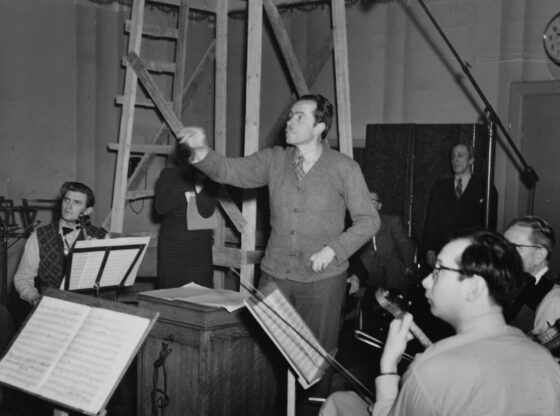
In the stark, volcanic landscape of 1930s Reykjavik — a place of geothermal steam and corrugated iron, where the wind howled louder than any symphony — three Jewish refugees discovered that exile can be a crucible for the soul. Robert Abraham, Victor Urbancic, and Heinz Edelstein arrived not as conquerors of culture, but as broken vessels carrying the sacred tradition of European classical music.
Their flight from Nazi persecution was not merely a physical escape; it was a spiritual migration. The Icelandic musicologist Árni Heimir Ingólfsson, whose newly translated book “Music at World’s End” documents their journey, reveals how these men transformed a nation’s cultural void into a sanctuary of sound. “They brought with them not just scores and techniques, but an entire worldview — a reverence for music as a form of divine expression,” Ingólfsson notes.
For a people whose own medieval sagas had long preserved memory through oral tradition, the arrival of these musicians echoed an ancient pattern: the stranger who carries the sacred flame. The Icelanders, themselves survivors of centuries of isolation and harsh nature, recognized in these refugees a kindred resilience. The music they built was not imported European grandeur, but something new — a dialogue between the Jewish liturgical tradition of lamentation and the stark, beautiful silence of the North Atlantic.
Their legacy teaches us that even in the world’s most remote corners, the human spirit insists on creating beauty from displacement. What they planted in that windswept harbor was not merely an orchestra, but a testament to the enduring power of art to heal, connect, and transcend.