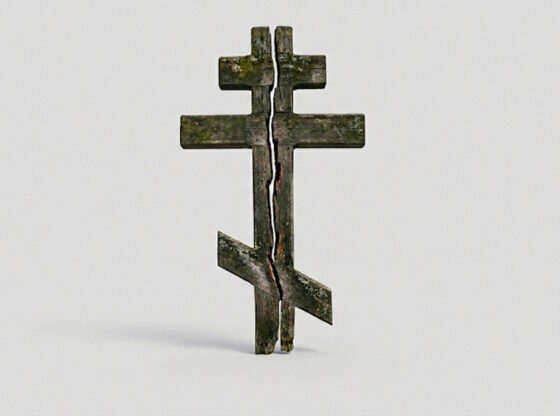

In the quiet corridors of Orthodox ecclesiology, a distinction is being drawn that carries profound spiritual weight—the difference between a challenge that tests the Church and a schism that wounds the Body. As the Orthodox Church navigates the pressures of secularism, nationalism, and internal discord, theologians are asking not merely what threatens unity, but what defines it at the deepest sacramental level.
The historical witness of the Church reveals that crisis is not a stranger but a companion on the pilgrimage of faith. Yet not every crisis becomes a schism. The critical threshold, as one theologian reflects, is crossed “when the Church loses clarity about what it means to exist as Church—when communion ceases to be the primary criterion of ecclesial life.” This is not a matter of administrative rearrangement but of Eucharistic recognition: the moment when Churches no longer see one another as full members of the one Body.
A challenge, properly understood, remains within the Church’s capacity for response, for it is “received, interpreted, and responded to within the Church’s own self-understanding as communion.” The danger arises when external pressures—whether secularism’s privatization of faith or nationalism’s co-opting of religious identity—begin to reshape the Church’s internal consciousness from within. Then the boundary between temporary tension and a wound in the Body grows perilously thin.