
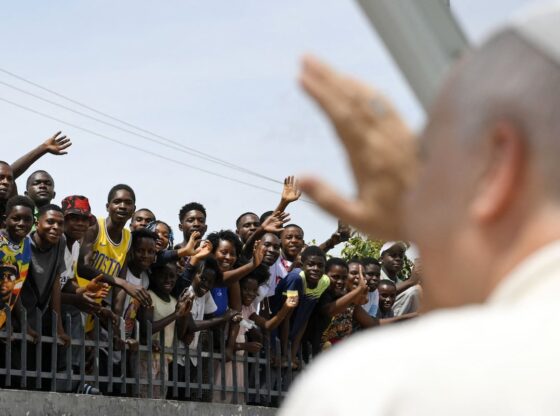

In the annals of papal history, each successor to Peter is granted a distinct spiritual signature. For Leo XIV, that signature is being written not in marble or encyclical, but in the humble spaces of detention centers and the faces of those displaced. His recent pilgrimage to Las Raíces on Tenerife was far more than a pastoral visit—it was a theological declaration that reframes the migrant not as a problem to be solved, but as a vessel of divine exchange.
Speaking to those held at the island’s detention center, Leo offered a radical vision: “God’s love knows no borders, makes no distinctions, is given to all and brings us together in unity.” Yet it was his comparison of migrants to the early missionaries that strikes at the heart of contemporary debate. He invited them to “share the treasures of your humanity, of your dreams and of your culture,” while remaining “open to receiving what is offered to you.”
This is no mere charity. It is a theology of mutual transformation—a sacred reciprocity where the stranger becomes teacher, and the host becomes student. In an age of hardened borders and fractured discourse, Leo XIV is quietly constructing a civilization of love built not on walls, but on the pilgrim’s path of encounter.