

The Vigil at the Gate: What a Nebraska Jail Reveals About the Soul of a Nation
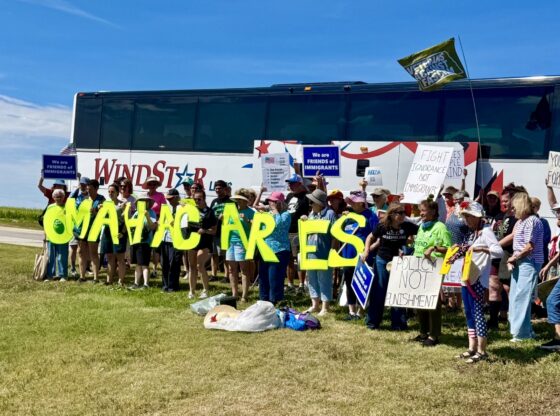
In the quiet dawn of rural Nebraska, a caravan of nearly sixty women—calling themselves “mothers and others”—embarked on a ten-hour pilgrimage. Their destination was not a temple or sacred site, but the threshold of a converted detention facility in McCook. Their signs, reading “We have not forgotten,” transform a political protest into an act of spiritual remembrance, a vigil against the erasure of human dignity.
This is not merely a story about immigration policy or state contracts. At its heart, it is a moral reckoning. The transformation of a Work Ethic Camp—a place once dedicated to rehabilitation—into a 300-bed jail for migrants symbolizes a profound ethical shift. The Buddhist concept of *Right Livelihood* and the Indigenous value of relational accountability are challenged when a community’s purpose is repurposed for profit, with the state receiving $14.6 million to date. The mothers on that bus embody a timeless prophetic tradition: they stand in the gap, bearing witness for those who are unseen, insisting that the measure of a society is how it treats the stranger in its midst.
Their protest is a modern-day *kaddish*, a prayer for the living, reminding us that the fight for justice is a spiritual discipline that requires endurance long after the news cycles fade.