
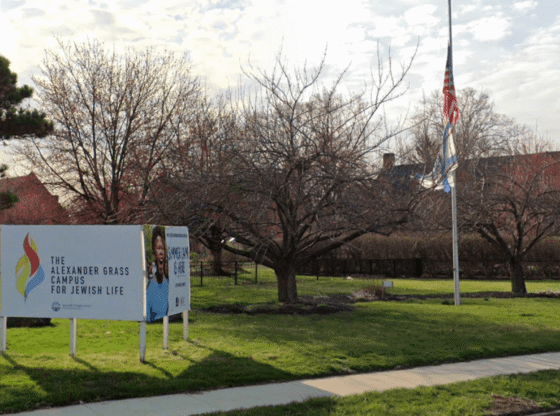

What a Community’s Collapse Teaches Us About the Soul of Jewish Life
In the quiet unraveling of Harrisburg’s Jewish federation, we witness more than a financial failure—we see a profound spiritual lesson about the impermanence of physical structures and the resilience of communal faith. The Alexander Grass Campus, purchased for $4.5 million in 2022, was meant to be a sanctuary for Jewish life in central Pennsylvania. Now it stands as a monument to what happens when we mistake buildings for belonging.
The Hebrew tradition teaches that the divine presence dwells not in stone but in the bonds between people. When Eric Fingerhut, president of Jewish Federations of North America, wrote that the business model was “not viable,” he touched upon a deeper truth: Jewish life has never been sustained by infrastructure alone. The synagogue survives because of the minyan, not the marble.
Gila Ogle of the Silver Academy speaks of a “deep desire to ensure a vibrant future for Jewish life in Harrisburg.” This longing persists precisely because the soul of community cannot be sold or foreclosed. As the physical campus dissolves, the question becomes whether the spiritual center holds—whether the ancient covenant of mutual responsibility can outlast the ledger sheets.
Perhaps this collapse is an invitation to remember that exile has always been the crucible of Jewish identity. From Babylon to Harrisburg, the people endure when the walls fall away.