
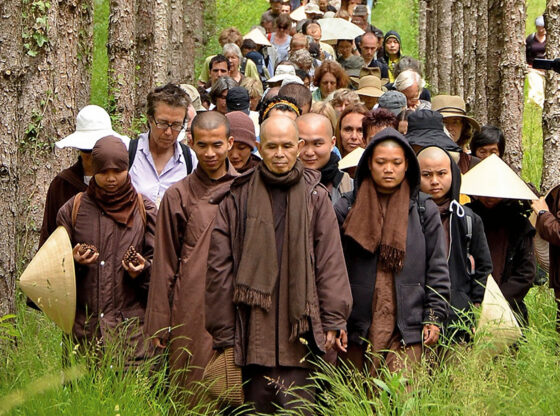

The Radical Roots of Modern Mindfulness
Thich Nhat Hanh’s centennial birth reminds us that mindfulness is not merely a stress-reduction technique, but a profound act of political and spiritual resistance. Born in Hue under French colonial rule, the young monk witnessed the brutal intersection of war and faith. Rather than retreating from the chaos, he coined “Engaged Buddhism,” arguing that peace requires active intervention in societal suffering.
His exile after being barred from returning to Vietnam transformed him into a global icon. In France, he established Plum Village, creating a sanctuary where contemplation met action. As his students note, his name “Hanh” literally means “action.” This distinction is vital for modern seekers: true spirituality does not ignore the world’s pain but addresses it with compassion. His legacy challenges us to see meditation not as an escape, but as a foundation for ethical engagement and social justice.