
The Paradox of Spiritual Certainty in an Age of Doubt
Contemporary spirituality is defined not by rigid dogma, but by a dynamic tension between abstract belief and concrete practice. While seventy-three percent of Gen Z affirm a higher power, the requirement for this faith to shape daily life remains elusive. This gap reveals a generation seeking authenticity over institutional compliance, where the “how” of belief matters more than the “what.”
Contrary to predictions of Christianity’s irrelevance, data indicates a profound spiritual renewal. The surge in personal commitment to Jesus—up twelve points since 2021—suggests that young people are not abandoning faith, but redefining its centrality. As David Kinnaman notes, these trends possess a dynamism that challenges static narratives of decline.
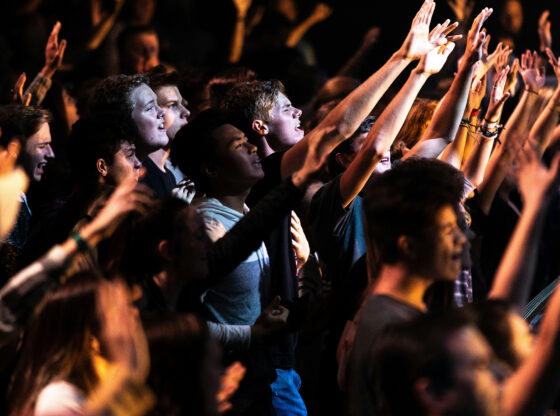
This movement finds tangible expression in communities like Nashville’s Way Church, where nearly two thousand attendees, predominantly in their twenties, have found belonging. Here, faith is not merely theological assent but a lived experience rooted in human connection. The resurgence underscores a vital truth: when spiritual structures prioritize community and genuine engagement, they resonate deeply with those navigating uncertainty. Faith, in this new era, is less about certainty and more about presence.