
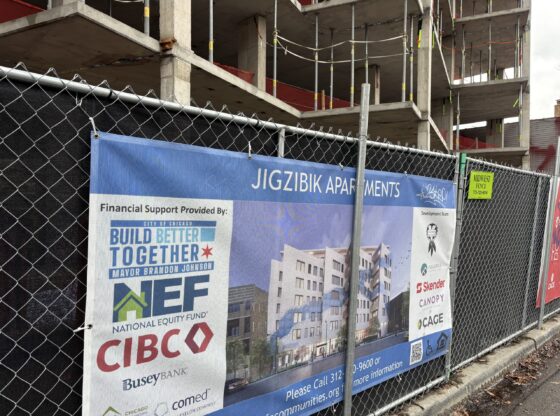

Restoring the Covenant: Housing as Sacred Ground in Chicago
The Urban Indian Relocation Act of 1956 promised resources in exchange for displacement, a historical wound that modern activism seeks to heal. Pamela Silas, board chair of Visionary Ventures, articulates this spiritual imperative through tangible action. She notes the intent to “bring additional resources into a community that’s been severely underserved,” acknowledging the deep roots of local activism.
This new housing project is more than shelter; it is an act of cultural preservation and stability for those who are “rent burdened.” By addressing the crisis where half of Indigenous renters spend over 30 percent of their income on rent, the initiative restores dignity. Silas emphasizes that this supports families who are “providing leadership and preservation for culture for our community.”
In a city with soaring rents, this development represents a reclamation of promise. It transforms abstract political commitments into concrete sanctuary, allowing Native families to thrive rather than merely survive. This is the practical application of justice, turning the tide against systemic neglect and honoring the enduring spirit of resilience within the urban Indigenous experience.