
The Paradox of Universal Rights in a Fractured World
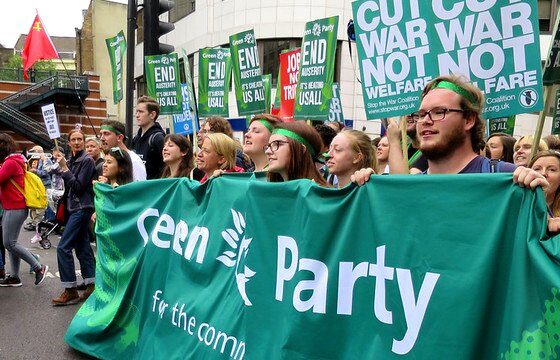
In the heart of Brighton, a political movement sought to redefine justice by equating Zionism with racism. This resolution, passed by a narrow margin, reflects a deeper spiritual crisis: the struggle to reconcile universal human rights with particular historical identities. When one group’s narrative of self-determination is labeled inherently oppressive, the resulting tension fractures the very fabric of communal trust.
Zack Polanski, defending the motion, asserted that there is “no conflict between supporting the rights of Palestinians and the rights of Jewish people.” Yet, for many British Jews, this theoretical balance feels increasingly precarious amidst rising hostility. The Chief Rabbi’s silence on the specific wording underscores a profound unease—a recognition that when political language dehumanizes ancient ties to land, it erodes the ethical ground upon which interfaith dialogue must stand.
This moment invites us to look beyond partisan resolutions. True spirituality demands we honor the dignity of all peoples without reducing complex histories to binary moral judgments. We must ask ourselves how we can uphold justice without sacrificing the sacredness of another’s heritage. Only through such nuanced compassion can we heal the deep wounds inflicted by mutual demonization.