

Sacred Waters, Modern Alchemy: The Spiritual Cost of Nuclear Renewal
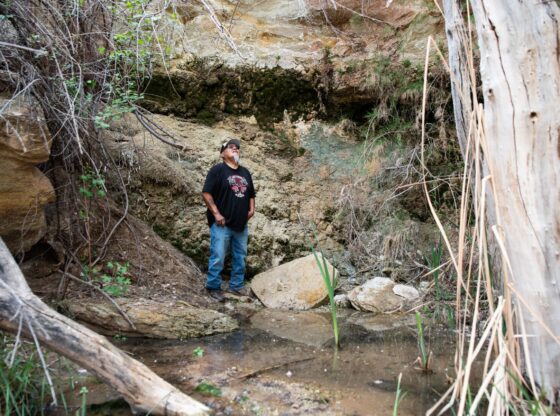
In the high desert of White Mesa, Utah, the earth holds more than uranium ore — it holds memory. For the Ute Mountain Ute people, springs like Entrance Spring are not merely water sources but living relatives, conduits of ancestral presence and spiritual sustenance. The White Mesa Mill, the nation’s last conventional uranium processor, now casts a long shadow over these sacred hydrologies as America pursues a nuclear renaissance.
The recent federal push to quadruple nuclear capacity by 2050, coupled with the 2024 ban on Russian uranium imports, has transformed this quiet corner of the Colorado Plateau into ground zero for an energy transition that tribal communities view through the lens of historical trauma. Malcolm Lehi’s journey to the mossy spring speaks to a deeper truth: when the earth is wounded, the spirit of the people is wounded too.
State regulators assure containment, yet the Ute community’s reliance on bottled water reveals a profound rupture — not just in environmental safety, but in the fundamental trust between human beings and the land that sustains them. The accelerated approval of mines like Velvet-Wood, with tribes given merely a week to respond, demonstrates how spiritual consultation is sacrificed for industrial expediency. As the nation seeks power from the atom, it must ask: what is the karmic price of severing people from their sacred geography?