

The Unseen Thread: How an Ancient Faith Weaves Into Modern British Power
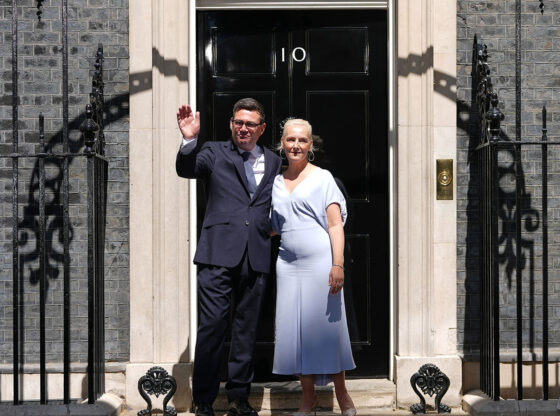
When Andy Burnham stepped into 10 Downing Street this week, history did not merely record a change of administration—it marked the quiet unraveling of a centuries-old spiritual embargo. For the first time, a prime minister born into the Catholic Church now leads a nation whose laws still whisper against “those who profess the Popish religion” holding the Crown. The irony is not lost on those who study the soul of British governance.
Burnham himself has acknowledged that his moral compass was forged by three influences: Everton FC, the Labour Party, and the Catholic Church—in that order. Yet he has also admitted he is “not particularly religious now.” This tension between heritage and personal belief reflects a deeper spiritual question: Can a faith tradition shape a leader even after the flame of personal devotion has dimmed?
Historically, Catholic politicians navigated a labyrinth of suspicion. Tony Blair waited until after his premiership to convert; Boris Johnson abandoned his Catholic baptism for the Church of England. Burnham’s ascent, however, suggests that the institutional barriers—though still encoded in law—have finally yielded to a more pluralistic spiritual landscape. His journey invites reflection on how ancient religious wounds heal, not through erasure, but through the slow work of time and grace.