
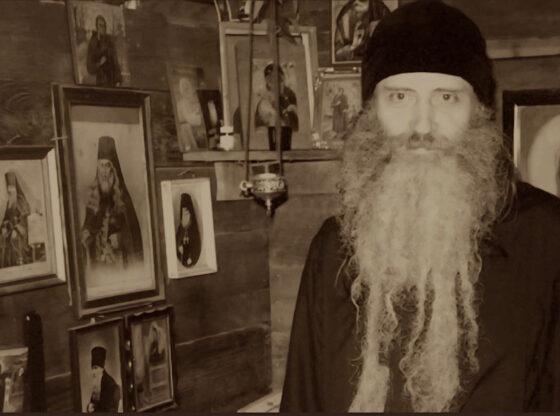

The announcement that the Russian Orthodox Church Outside of Russia has formally opened the canonization process for Hieromonk Seraphim Rose (1934–1982) has stirred both joy and unease across the Orthodox world. While many celebrate the prospect of the first American-born saint, a closer examination of the monk’s own writings reveals a profound tension that the Synod may have overlooked in its haste to glorify him.
At the heart of this tension lies a passage from Rose’s seminal work, Orthodoxy and the Religion of the Future. Bishop James of Sonora presented the Council with evidence of Rose’s “righteous course of life,” but the bishops must now reckon with the full weight of their candidate’s ecclesiology. In that text, Rose articulated a vision of the Church that implicitly questioned the very authority structure ROCOR now invokes to canonize him.
“The act of canonization is not merely a recognition of personal holiness,” writes theologian Matthew Namee in a recent analysis, “but a statement about the nature of the Church itself.” When a Church glorifies one of its own, it simultaneously affirms its own ecclesial identity. For ROCOR, which has historically defined itself in opposition to the Moscow Patriarchate, canonizing a figure who wrote extensively on the boundaries of the true Church forces an uncomfortable self-examination.
The Synod’s decision may have been made with pious intentions, but it cannot escape the inner logic of Rose’s own teaching. If his theology is to be honored, the canonization process must confront the very questions it seeks to resolve. The faithful now watch to see whether ROCOR will embrace this challenge or retreat into the comfort of ideological certainty.
#SpiritualNews · #FaithAndCulture · #GlobalSpirituality