
The Unfinished Council: What Five Years of Liturgical Debate Reveals About the Soul of the Church
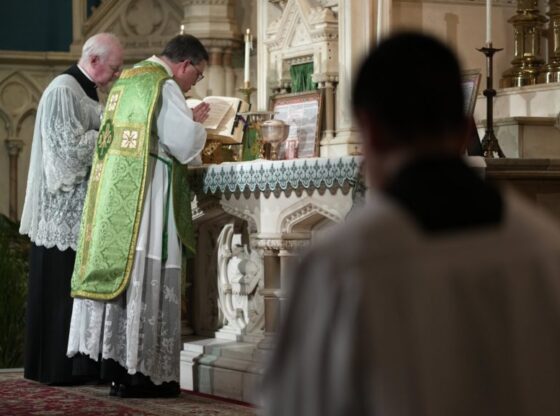
Five years after the release of Traditionis Custodes, the spiritual landscape of the Church remains marked by a tension that is less about rubrics and more about the nature of tradition itself. Pope Francis’ 2021 motu proprio did not simply regulate a form of the Mass—it asked a deeper question: Can the Church honor its past without being imprisoned by it?
The document responded to a growing phenomenon where attachment to the pre-Vatican II liturgy had, in the Pope’s words, become “characterized by a rejection of the Council and its reforms.” This was not a mere liturgical preference but a spiritual posture. As Father John Paul Kimes of Notre Dame Law School observes, the Pope’s approach marked “a different tack” from his predecessors, prioritizing unity of vision over accommodation.
Yet the debate persists because the underlying issue remains unresolved: How does a living tradition discern which elements are essential and which are cultural? The recent excommunication of the Society of St. Pius X adds a new chapter to this story, but the deeper lesson is for all believers. The Council was not a rupture but a flowering—and every generation must learn to receive it as such.